
Infusion Pumps
An Infusion Pump is a medical device used in hospitals and healthcare settings to deliver fluids, medications, or nutrients into a patient’s body in a controlled and precise manner. It works by pushing the fluid through a tube connected to a catheter inserted into the patient’s vein or sometimes under the skin.
Infusion pumps are commonly used to administer intravenous (IV) fluids, antibiotics, pain medications, insulin, chemotherapy drugs, and nutrients. They are designed to deliver very accurate amounts of fluids over a specific period of time, which is difficult to achieve using manual methods.
These devices can be programmed by healthcare professionals to control the rate, volume, and timing of the infusion. Many modern infusion pumps include safety features such as alarms that alert medical staff if there is a blockage, air in the tubing, low battery, or if the medication flow is interrupted.
Infusion pumps are widely used in areas such as intensive care units (ICUs), operating rooms, neonatal care units, and general hospital wards. Their precise control helps improve patient safety and ensures that medications are delivered exactly as prescribed.
In summary:
An infusion pump is an automated medical device that accurately delivers fluids and medications into a patient’s body at controlled rates, helping healthcare providers provide safe and effective treatment.
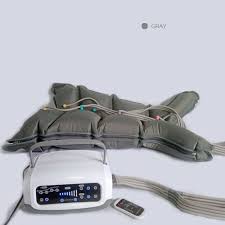
Here are the features of an Infusion Pump:
-
Accurate Fluid Delivery – Delivers medications, nutrients, or fluids in very precise amounts according to the programmed settings.
-
Programmable Settings – Healthcare professionals can set the flow rate, volume, and time for medication delivery.
-
Alarm System – Built-in alarms alert staff if there is occlusion (blockage), air in line, low battery, empty fluid bag, or system error.
-
Continuous and Controlled Infusion – Ensures steady and controlled flow of medication over a specific period.
-
User-Friendly Display – Digital screen shows important information such as infusion rate, remaining volume, and system status.
-
Battery Backup – Allows the pump to continue operating even during power failure or when the patient is being transported.
-
Multiple Infusion Modes – Some pumps support different modes like continuous infusion, intermittent infusion, and patient-controlled infusion.
-
Safety Mechanisms – Includes features like dose limits, automatic shut-off, and error detection to prevent medication mistakes.
-
Portability – Many infusion pumps are compact and lightweight, making them easy to move with the patient.
-
Compatibility with IV Sets – Designed to work with standard intravenous tubing and catheters used in hospitals.